
Reliably measuring microplastics released during laundry
The first test method that can reliably measure the amount of small plastic particles released from textiles during domestic laundering has been developed by scientists.
The first test method that can reliably measure the amount of small plastic particles released from textiles during domestic laundering has been developed by scientists.

Leeds has been recognised as a Centre of Excellence in the way it integrates research and treatment for difficult-to-cure brain tumours.
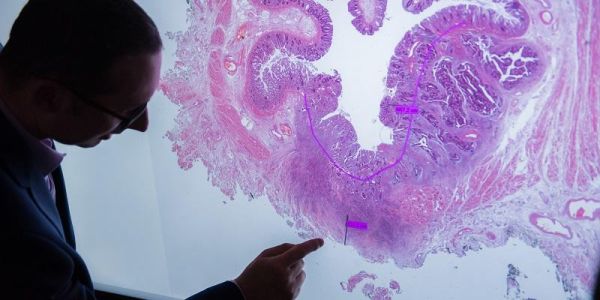
Bowel cancer patients in Yorkshire will continue to benefit from improvements in diagnosis and treatment following a £2.1 million funding boost from Yorkshire Cancer Research.

Scientists have taken a significant step forward in their search for the origin of a progressive eye condition which can cause sight loss.
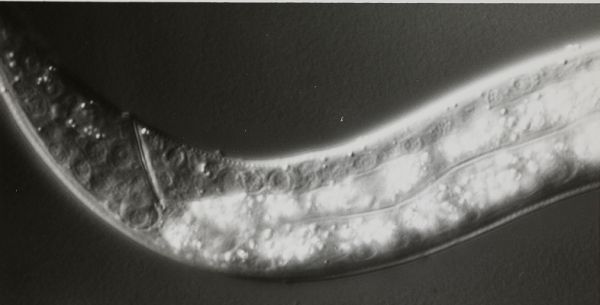
Researchers have mapped the physical organisation of the brain of a soil-living nematode worm, creating a new model for the architecture of the animal’s brain.

A blanket ban on the trade of wild meat could create risks for nature and for human health, according to a new study.

Scientists at Leeds are part of an international collaboration that has designed a protein that self-assembles into an artificial pore.
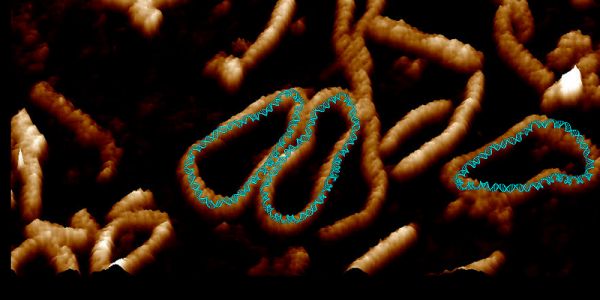
Videos showing for the first time how small circles of DNA adopt dance-like movements inside a cell have been developed by researchers in Yorkshire.

The childhood cancer survival rate in Yorkshire is among the best in the world, with 86 out of every 100 children diagnosed with the disease before their 15th birthday living for at least five years.

A bold vision for feeding the population of Leeds would transform the city into a far more food secure, fair and sustainable place to live.